
Asphalt Driveway Maintenance: A Year-Round Checklist for Homeowners
A well-installed asphalt driveway can last 15-25+ years — but that lifespan isn’t automatic. A handful of simple habits, done consistently throughout the year, make the difference between a driveway that needs resurfacing at year 12 and one that’s still going strong well past year 20.
Monthly: Inspect and Clean
- Walk the driveway and look for new hairline cracks, especially near the edges
- Sweep or hose off dirt, leaves, and debris — buildup traps moisture against the surface
- Check sprinkler heads to make sure they’re not spraying directly onto the asphalt
As Soon as You Spot Them: Seal Cracks
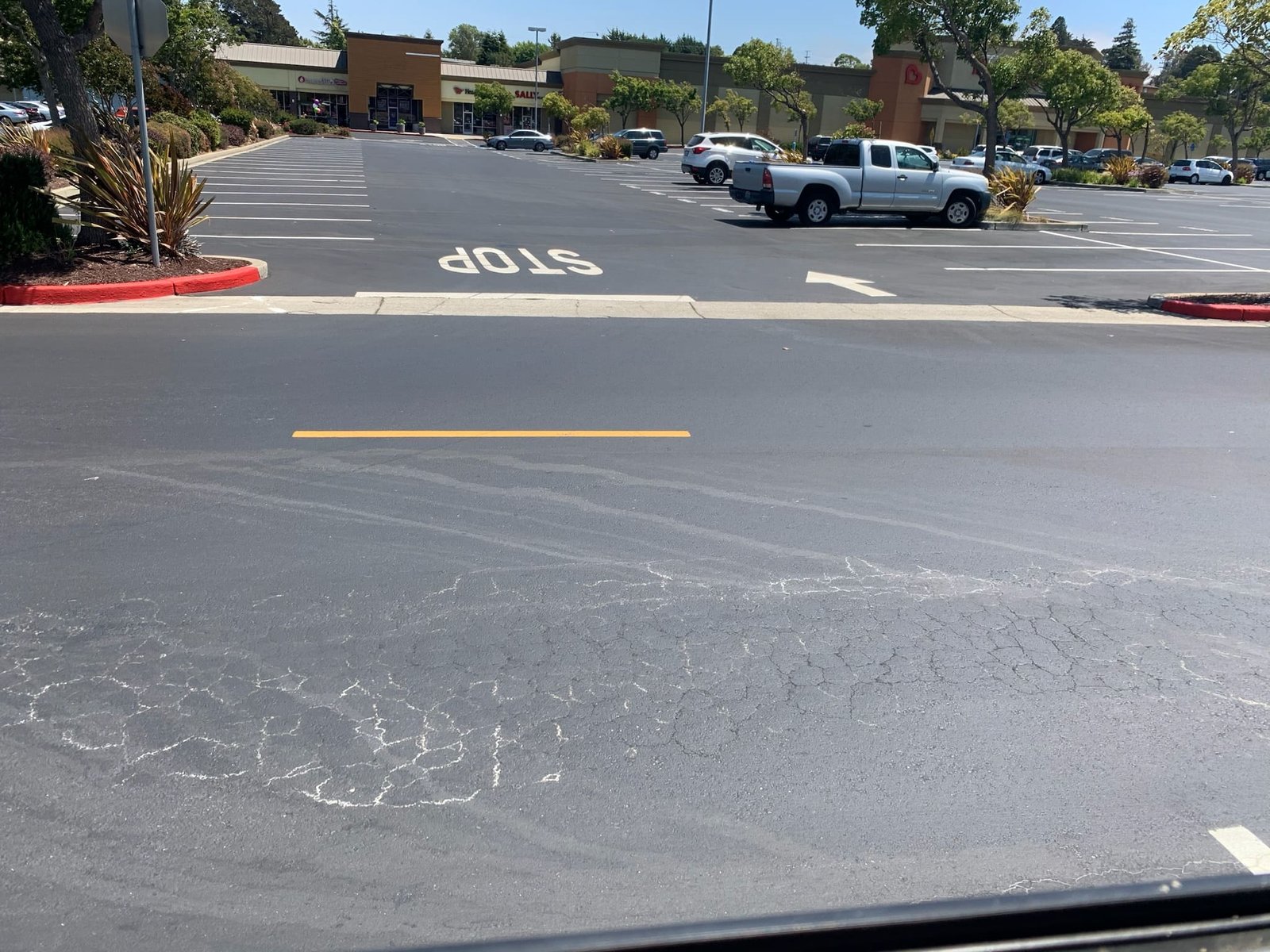
This is the single highest-value habit on this list. A crack filled within weeks of appearing costs very little and prevents water from reaching the base underneath. The same crack, left for a season or two, can turn into a much larger and more expensive repair.
Immediately: Clean Up Spills
Motor oil, gasoline, and other petroleum products soften and break down asphalt on contact. Scrub spills with a stiff brush and a cleaner formulated for asphalt — avoid petroleum-based solvents, which can cause additional damage.
Ongoing: Protect the Edges
The edges of a driveway are typically its weakest point, since they have less support than the center. Avoid driving or parking right at the edge, and consider reinforcing it with topsoil and grass (kept about an inch below the driveway surface for proper drainage) or a decorative border.
Every Few Years: Sealcoat
Sealcoating every 3-5 years is the most effective way to slow UV oxidation and keep the asphalt binder flexible instead of brittle. Most contractors recommend the first seal coat roughly 6-12 months after a new driveway is installed, then on a regular cycle after that.
Watch Drainage Year-Round
Standing water that doesn’t drain within a few hours after rain is one of asphalt’s biggest enemies. If you notice pooling in the same spot repeatedly, it’s worth having a contractor check whether it’s a minor grading issue or a sign of a developing problem underneath.
What to Avoid
- Parking heavy vehicles or equipment in the same spot for extended periods
- Using metal shovels that gouge the surface during snow or debris removal
- Using rock salt or other harsh de-icing products (where applicable) — opt for sand or calcium chloride instead
- Ignoring small cracks because they “don’t look that bad yet”
When to Call a Professional
A periodic professional inspection — especially for driveways more than a few years old — catches early signs of base failure, drainage problems, or developing cracks before they’re obvious from a quick walk-by. This is particularly useful if you notice recurring cracks in the same spot, which often points to a problem below the surface rather than a simple surface issue.
Get a Professional Eye on Your Driveway
G&S Paving offers crack filling, sealcoating, and inspections to help your driveway reach its full lifespan — not just react once something’s already failed. Free estimates across Northern & Central California.
Frequently Asked Questions
How often should I seal my asphalt driveway?
Generally every 3-5 years, starting roughly 6-12 months after a new driveway is installed to allow for initial curing.
What’s the most important single maintenance habit?
Sealing cracks as soon as they appear. It’s the cheapest step on this list and prevents the water infiltration that causes most serious asphalt damage.
Can oil stains permanently damage my driveway?
If cleaned up promptly, usually not. Left to sit, petroleum products can soften and weaken the asphalt in that spot over time.
Do you offer driveway inspections as a standalone service?
Yes, G&S Paving offers inspections, crack filling, and sealcoating for driveways throughout Oakley, Brentwood, Antioch, Concord, Pittsburg, Walnut Creek, Stockton, Tracy, and Fairfield.